Cinnamon Extract in Wellness Products: Traditional Use and Modern Interest
Few ingredients have as long a résumé as cinnamon. Long before it became a wellness-aisle staple, it was a prized spice traded across continents, used in cooking, and featured in traditional wellness practices across multiple cultures. That long history is a big part of why cinnamon extract shows up so often in modern botanical products.
Where cinnamon extract comes from
Cinnamon extract is derived from the bark of cinnamon trees, concentrated to preserve the plant's naturally occurring compounds. Two varieties — Cassia and Ceylon — are most commonly used in wellness products, each with a slightly different compound profile.
Why it's included in wellness formulations
Cinnamon's popularity in wellness products largely traces back to its traditional use and the plant compounds it naturally contains. That traditional standing is why it's frequently paired with other botanicals — like the ingredients covered in our broader botanical overview — in formulas aimed at supporting an overall wellness-focused lifestyle.
It's important to be precise here: traditional use and modern interest are not the same as clinical proof of a specific health outcome for any single formula. Reputable wellness brands describe cinnamon's role honestly, as one ingredient among several selected for its history and composition, rather than as a stand-alone solution.
How it typically appears in products
- As a standardized extract in capsules or powders
- As one botanical among several in blended formulas
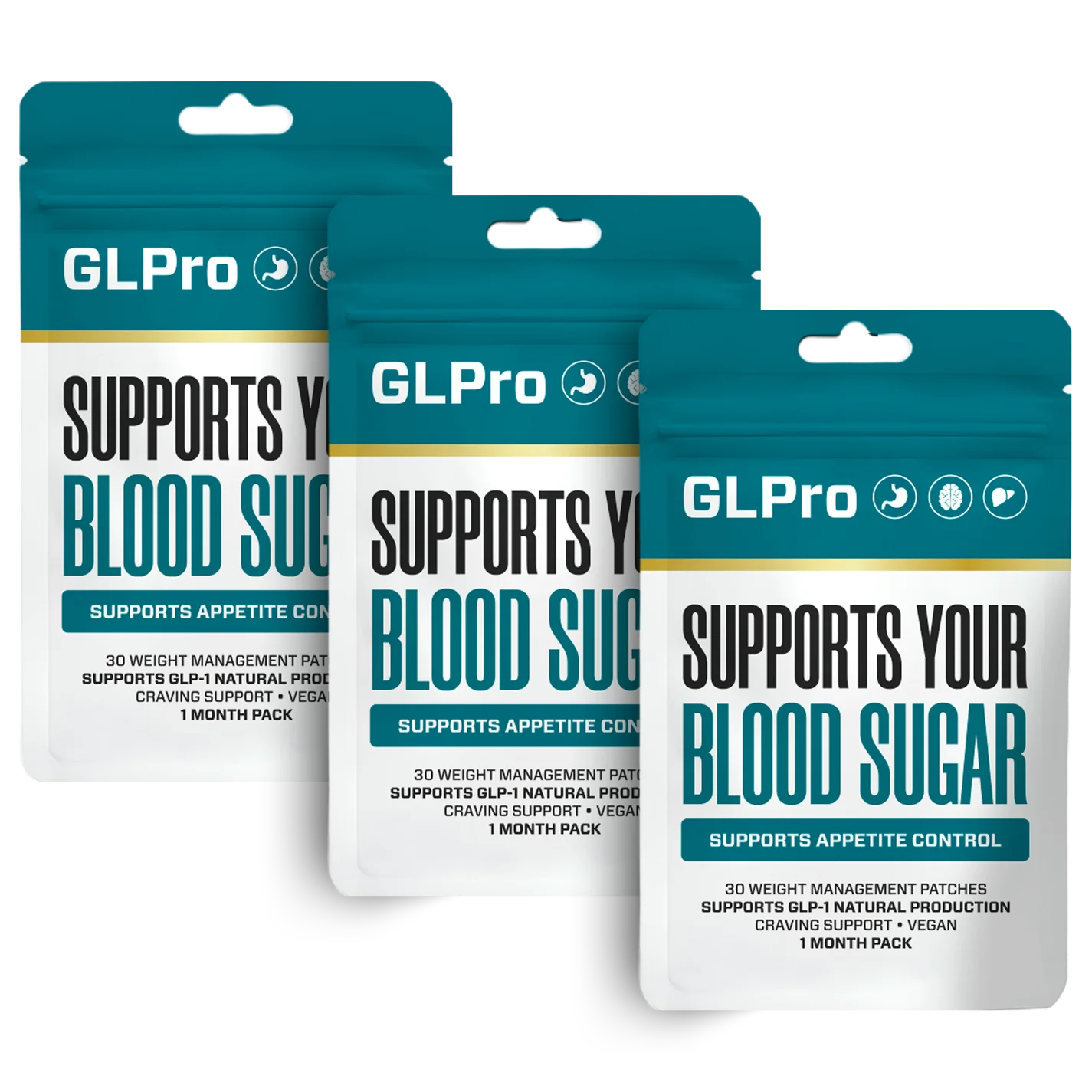
- In topical wellness formats, including patches like GLPro Patches, where it's combined with other traditional botanicals
The takeaway
Cinnamon extract's place in wellness products comes from genuine botanical tradition, not marketing invention. Understanding that context — what it is, where it comes from, and what its role actually is in a formula — is a better foundation for a purchase decision than a headline claim.